Understanding Whimsy: A Unique Approach to Creativity and Expression
Whimsy is a concept that blends creativity, imagination, and a touch of playfulness. It often manifests in art, literature, design, and even everyday interactions. Unlike more structured or practical approaches, whimsy embraces the unexpected, the quirky, and the delightful. This article explores what makes Whimsy distinct, how it compares to other creative styles, and when it might be the right choice for you.
What Sets Whimsy Apart?
At its core, Whimsy is about embracing spontaneity and joy. It often defies conventional logic, offering a fresh perspective that can be both surprising and engaging. While other creative approaches may prioritize functionality, clarity, or realism, Whimsy thrives on ambiguity and charm. This doesn’t mean it lacks purpose—it simply chooses to express ideas in a way that feels more lighthearted and imaginative.
For example, a whimsical children’s book might use surreal illustrations and playful language to tell a story, while a more traditional approach might focus on clear narratives and realistic visuals. Both have their place, but Whimsy offers a different kind of experience—one that invites curiosity rather than just delivering information.
Whimsy vs. Other Creative Styles
When comparing Whimsy to other creative styles, it’s helpful to consider how each approach addresses the audience and the message. For instance, minimalism emphasizes simplicity and clarity, while Whimsy leans into complexity and surprise. Similarly, modern design often prioritizes clean lines and functionality, whereas whimsical design might incorporate bold colors, abstract shapes, and unexpected elements.
These differences aren’t about one being better than the other, but rather about how they serve different purposes. If you’re looking for something that stands out and captures attention, Whimsy could be an excellent fit. However, if your goal is to communicate clearly and efficiently, a more straightforward style might be more effective.
Strengths of Whimsy
- Engages the imagination: Whimsy encourages people to think outside the box and explore new possibilities.
- Creates memorable experiences: The unexpected nature of whimsical content can make it more enjoyable and easier to remember.
- Encourages emotional connection: Playful and charming elements can foster a sense of warmth and relatability.
Tradeoffs and Limitations
- May lack clarity: The playful nature of Whimsy can sometimes make it difficult to convey complex ideas or messages.
- Not always appropriate: In professional or formal settings, Whimsy might be seen as unprofessional or distracting.
- Requires balance: Too much whimsy can overwhelm the audience, making it hard to focus on the main point.
When Whimsy Is the Right Choice
Whimsy shines in situations where creativity and engagement are key. For example, in marketing campaigns aimed at younger audiences, a whimsical approach can help brands stand out and build a unique identity. In education, it can make learning more fun and accessible, especially for children or those who struggle with traditional methods.
Additionally, Whimsy can be a great tool for personal expression. Whether through art, writing, or everyday interactions, it allows individuals to showcase their personality and inject a bit of magic into their surroundings. If you’re looking for a way to add flair and originality to your work or life, Whimsy might be worth exploring.
When to Consider Alternatives
While Whimsy has many strengths, there are scenarios where other approaches may be more suitable. For instance, in business communication, a direct and concise style is often preferred over a playful one. Similarly, in technical fields such as engineering or science, clarity and precision are essential, and Whimsy might not be the best fit.
It’s also important to consider your audience. If you’re presenting to a group that values seriousness and structure, a more traditional approach may be more effective. In these cases, alternatives like minimalism, realism, or functional design could offer better results.
Realistic Examples of Whimsy in Action
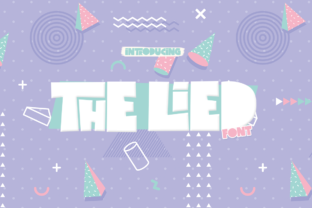
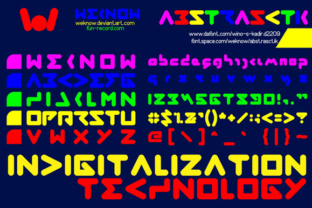
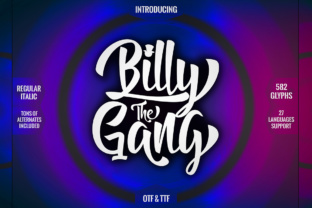
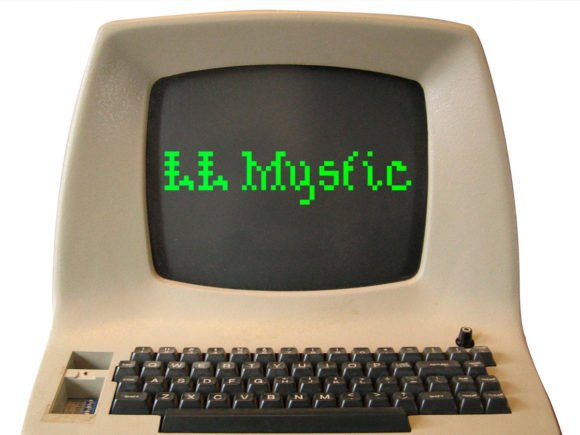
One example of Whimsy in practice is the work of artists like Salvador Dalí, whose surreal paintings challenge perceptions and invite viewers to think differently. Another example is the use of whimsical typography in branding, where playful fonts and unexpected layouts create a unique visual identity.
In digital design, Whimsy can appear in interactive elements, such as animated buttons or quirky loading screens that delight users. These small touches can enhance the overall user experience without overwhelming the main content.
Deciding What Works for You
Choosing between Whimsy and other approaches ultimately depends on your goals, audience, and context. Ask yourself: What message do you want to convey? Who is your audience, and what do they value? How do you want to be perceived?
If you’re aiming for creativity, fun, and emotional impact, Whimsy could be a powerful tool. However, if your priorities are clarity, professionalism, or efficiency, you may find that other styles are more effective. The key is to understand the strengths and limitations of each approach and make an informed decision based on your needs.
By considering these factors, you can determine whether Whimsy is the right choice for your project or situation. Whether you embrace it fully or use it selectively, understanding its role in the creative landscape can help you make more thoughtful and impactful decisions.