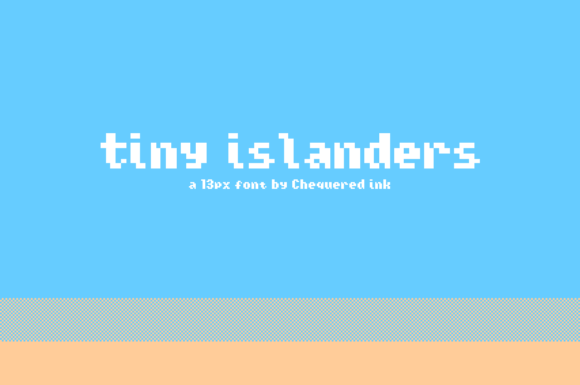
Tiny Islanders: A Strategic Tool for Clearer Thinking and Better Outcomes
Tiny Islanders is more than a game—it’s a framework for visualizing complex ideas, prioritizing goals, and making decisions with clarity. Designed as a digital simulation of island management, it offers a unique way to break down challenges into manageable parts, aligning with the strategic thinking needed in business, creativity, and personal development. For professionals and decision-makers, understanding how to use Tiny Islanders effectively can lead to better planning, improved communication, and more intentional progress.
At its core, Tiny Islanders provides a structured environment where users can experiment with different strategies, test outcomes, and refine their approach before applying it to real-world scenarios. This makes it particularly valuable for those who need to think critically about resource allocation, long-term vision, and the impact of their choices.
Why Tiny Islanders Matters for Strategic Decision-Making
In a world filled with distractions and competing priorities, clarity is a rare and valuable asset. Tiny Islanders helps users focus on what truly matters by forcing them to make trade-offs and evaluate options systematically. Whether you’re managing a team, launching a product, or developing a new skill, the principles embedded in the game can translate directly into practical strategies.
For example, when planning a marketing campaign, the game’s emphasis on balancing limited resources—like time, budget, and personnel—mirrors the real-world challenge of maximizing impact with constraints. By simulating this process, users can identify potential bottlenecks, adjust their approach, and build a more resilient plan.
The game also encourages users to think about long-term value rather than short-term gains. In Tiny Islanders, building a sustainable island requires careful planning, foresight, and adaptability. These same qualities are essential for anyone looking to grow a business, develop a brand, or achieve lasting success in any field.
How to Use Tiny Islanders for Goal Alignment and Planning
To get the most out of Tiny Islanders, start by defining your objectives. What do you want to achieve? Is it increasing productivity, improving customer satisfaction, or refining your creative process? Once you have a clear goal, you can use the game to map out steps, allocate resources, and track progress.
One effective approach is to use Tiny Islanders as a brainstorming tool. By representing your goals as islands, you can visualize different paths, assess risks, and explore alternatives. This method is especially useful for teams working on complex projects, as it allows everyone to contribute ideas and see how they fit together.
Another strategy is to use the game for scenario planning. Imagine different outcomes based on various decisions and evaluate which path leads to the best results. This helps reduce uncertainty and prepares you for unexpected challenges. For instance, if you’re considering a new business venture, you can simulate different market conditions and adjust your strategy accordingly.
Strategic Observations from Tiny Islanders
One of the key lessons from Tiny Islanders is the importance of balance. Overinvesting in one area while neglecting others can lead to instability, just as in real-life business or personal development. The game teaches users to distribute resources wisely, ensuring that no single aspect becomes a point of failure.
Additionally, Tiny Islanders highlights the value of iteration. Success isn’t always immediate; it often requires testing, learning, and adjusting. This mindset is crucial for entrepreneurs, creators, and professionals who need to stay agile in a fast-changing environment. By experimenting within the game, users can gain insights that apply directly to their work.
Another observation is the role of communication in achieving shared goals. In Tiny Islanders, collaboration is essential for building a thriving island. Similarly, in business or team settings, clear communication ensures that everyone is aligned and working toward the same objectives. The game reinforces the idea that success depends not only on individual effort but also on how well people work together.
Practical Examples of Tiny Islanders in Action
Consider a small business owner looking to improve customer experience. Using Tiny Islanders, they could simulate different touchpoints—like customer service, product quality, and marketing—and see how each affects overall satisfaction. This allows them to prioritize changes that will have the greatest impact without wasting resources on less critical areas.
A content creator might use the game to plan their workflow. By representing tasks as islands, they can identify which activities require more attention, which can be automated, and which should be delegated. This helps them manage their time more efficiently and maintain a consistent output.
For educators, Tiny Islanders can be a tool for curriculum design. By mapping out learning objectives, resources, and assessments, teachers can create a more structured and effective teaching plan. The game also encourages reflection, helping educators evaluate what works and what needs improvement.
When to Use Tiny Islanders and What to Consider
Use Tiny Islanders when you need to simplify complex problems, clarify your goals, or explore different possibilities. It’s particularly useful during the planning phase of a project, when you’re trying to decide between multiple approaches. However, it’s important to remember that the game is a tool—not a substitute for real-world analysis.
Before relying on Tiny Islanders, consider your specific needs and the context of your work. Ask yourself: What am I trying to achieve? How does this align with my broader goals? What are the limitations of using a simulation to represent real-world challenges? These questions help ensure that you’re using the game intentionally and effectively.
Also, be aware of the risks associated with using Tiny Islanders without clear direction. If you treat it as a random activity rather than a strategic exercise, you may end up with superficial insights that don’t translate into meaningful action. The key is to approach it with purpose and a willingness to learn from the process.
Building Long-Term Value Through Intentional Use
The true power of Tiny Islanders lies in its ability to foster long-term thinking. By encouraging users to plan ahead, anticipate challenges, and adapt to change, the game supports sustained growth and resilience. This is especially relevant for professionals who want to build a career, a business, or a personal brand that stands the test of time.
Intentional use of Tiny Islanders also promotes continuous learning. Each session offers an opportunity to reflect on past decisions, identify patterns, and refine your approach. Over time, this habit of thoughtful evaluation can lead to better judgment, stronger problem-solving skills, and more confident decision-making.
Ultimately, Tiny Islanders is not just about managing virtual islands—it’s about managing your own path to success. By applying its principles to real-world challenges, you can make smarter choices, avoid common pitfalls, and achieve better results. Whether you’re a business leader, a creative professional, or someone striving for personal growth, the strategic insights from Tiny Islanders can help you navigate complexity with confidence.
Conclusion: Leveraging Tiny Islanders for Strategic Advantage
Tiny Islanders offers a unique blend of simplicity and depth, making it a powerful tool for anyone looking to improve their decision-making and planning processes. Its structured approach to resource management, risk assessment, and long-term vision aligns closely with the needs of modern professionals and entrepreneurs.
By using Tiny Islanders intentionally, you can turn abstract ideas into actionable plans, test strategies in a low-risk environment, and build a foundation for sustained success. Whether you’re managing a team, developing a product, or pursuing personal goals, the lessons from Tiny Islanders can guide you toward clearer thinking and better outcomes.
Remember, the goal isn’t to play the game for entertainment—it’s to use it as a strategic aid that enhances your ability to make informed, thoughtful decisions. With the right approach, Tiny Islanders can become a valuable part of your toolkit for achieving greater clarity, efficiency, and impact in your work and life.