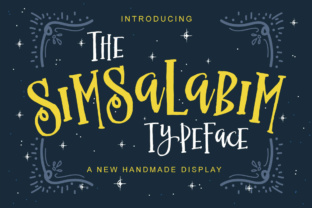
The Simsalabim Typeface: A Magical Blend of Design and Functionality
In the world of typography, where every font tells a story, the Simsalabim typeface stands out as a unique blend of whimsy and practicality. Designed for those who appreciate both creativity and clarity, this font has gained popularity among designers, writers, and educators alike. But what exactly makes the Simsalabim typeface special? Let's explore its origins, design elements, and how it can be used effectively in various contexts.
Origins and Inspiration
The name "Simsalabim" is derived from the magical phrase often used in stories to summon something extraordinary. This whimsical name reflects the font's purpose: to add a touch of magic to any text. The typeface was created by a team of designers who sought to combine the charm of traditional calligraphy with the precision of modern digital typography.
While the exact history of the Simsalabim typeface is not widely documented, it is believed to have been inspired by the fluid lines and ornate details found in medieval manuscripts. These influences are evident in the font's elegant curves and intricate details, which give it a sense of timelessness and sophistication.
Design Elements and Features
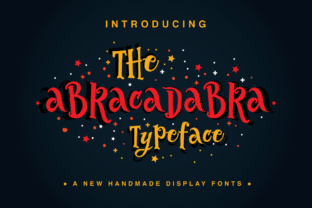
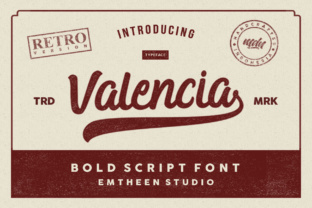
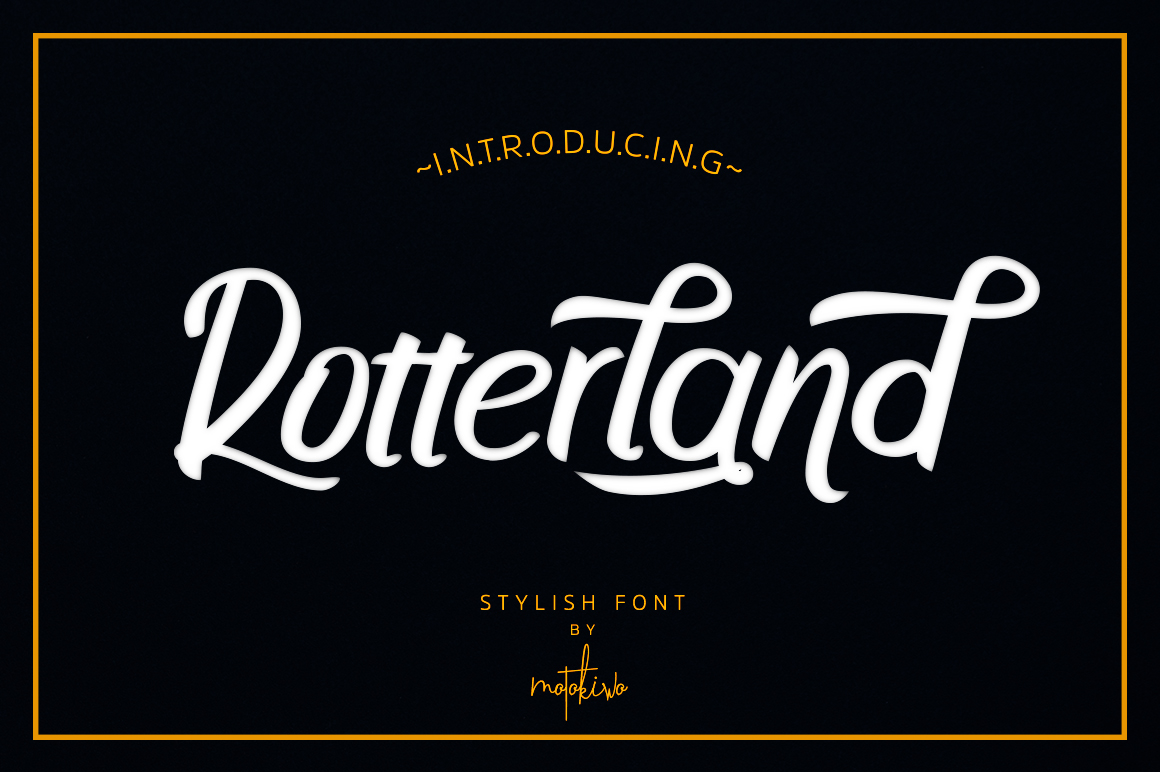
The Simsalabim typeface is characterized by its flowing, cursive style that mimics handwritten script. This gives it a personal and artistic feel, making it ideal for projects that require a touch of creativity. However, despite its decorative appearance, the font is also designed with readability in mind.
- Legibility: While the Simsalabim typeface may appear ornate, it is carefully crafted to ensure that individual letters are still easy to read, even at smaller sizes.
- Variations: The font comes in multiple weights and styles, allowing users to choose the right version for their specific needs. From bold and dramatic to light and delicate, there's a style for every occasion.
- Language Support: Simsalabim supports a wide range of languages, including Latin, Cyrillic, and Greek, making it a versatile choice for international projects.
One of the standout features of the Simsalabim typeface is its ability to evoke emotion through its visual style. The flowing lines and graceful curves can convey a sense of elegance, mystery, or even playfulness, depending on how it's used.
Practical Applications
Although the Simsalabim typeface may seem more suited for creative or artistic projects, it has a variety of practical applications in everyday life. Here are some common uses:
Branding and Identity
Businesses looking to create a unique brand identity often turn to fonts like Simsalabim to stand out from the competition. Its distinctive style can help a brand communicate a sense of creativity, innovation, or exclusivity.
For example, a boutique coffee shop might use Simsalabim for its logo to reflect a cozy, artisanal vibe. Similarly, a luxury fashion brand could use the font to emphasize its attention to detail and craftsmanship.
Education and Learning
In educational settings, the Simsalabim typeface can be used to make learning materials more engaging. Teachers and educators often use creative fonts to capture students' attention and make lessons more memorable.
For instance, a teacher might use Simsalabim for a lesson on mythology or fantasy literature to create a more immersive experience. However, it's important to balance creativity with readability, especially when working with younger students or those with reading difficulties.
Personal Projects and Art
Individuals who enjoy creative writing, poetry, or graphic design often choose the Simsalabim typeface for personal projects. Its artistic flair makes it perfect for creating visually appealing content that stands out.
Whether it's a custom wedding invitation, a hand-drawn poster, or a digital art piece, the Simsalabim typeface adds a unique touch that can elevate any project.
Common Misconceptions and Considerations
Despite its many benefits, the Simsalabim typeface is not without its challenges. One common misconception is that it is only suitable for decorative purposes. While it is certainly a beautiful font, it is also functional and can be used in a wide range of contexts.
Another consideration is the font's suitability for long-form text. While it is readable in short passages, it may not be the best choice for large blocks of text, such as articles or books. In these cases, a more traditional typeface may be more appropriate.
Additionally, users should be aware of licensing restrictions when using the Simsalabim typeface. Like most fonts, it is protected by copyright law, and improper use can lead to legal issues. Always check the license agreement before using the font in commercial or public projects.
How to Use Simsalabim Effectively
If you're considering using the Simsalabim typeface in your next project, here are some tips to help you get the most out of it:
- Use it for emphasis: The Simsalabim typeface works well for headlines, titles, and other elements that need to stand out. It can draw attention to key points and add visual interest to your design.
- Pair it with complementary fonts: To maintain balance and readability, pair Simsalabim with a simpler, more neutral font for body text. This creates a contrast that enhances the overall design.
- Experiment with color and layout: The unique style of Simsalabim allows for creative experimentation. Try different colors, backgrounds, and layouts to see how the font interacts with other design elements.
By following these guidelines, you can ensure that the Simsalabim typeface enhances your work rather than detracts from it.
Conclusion
The Simsalabim typeface is more than just a pretty font—it's a powerful tool for communication, creativity, and expression. Whether you're designing a logo, creating an educational resource, or simply adding a touch of personality to your work, this font offers a unique blend of beauty and functionality.
As with any design element, the key to using Simsalabim effectively is understanding its strengths and limitations. By choosing the right context and pairing it with appropriate design choices, you can unlock its full potential and bring a little magic to your projects.