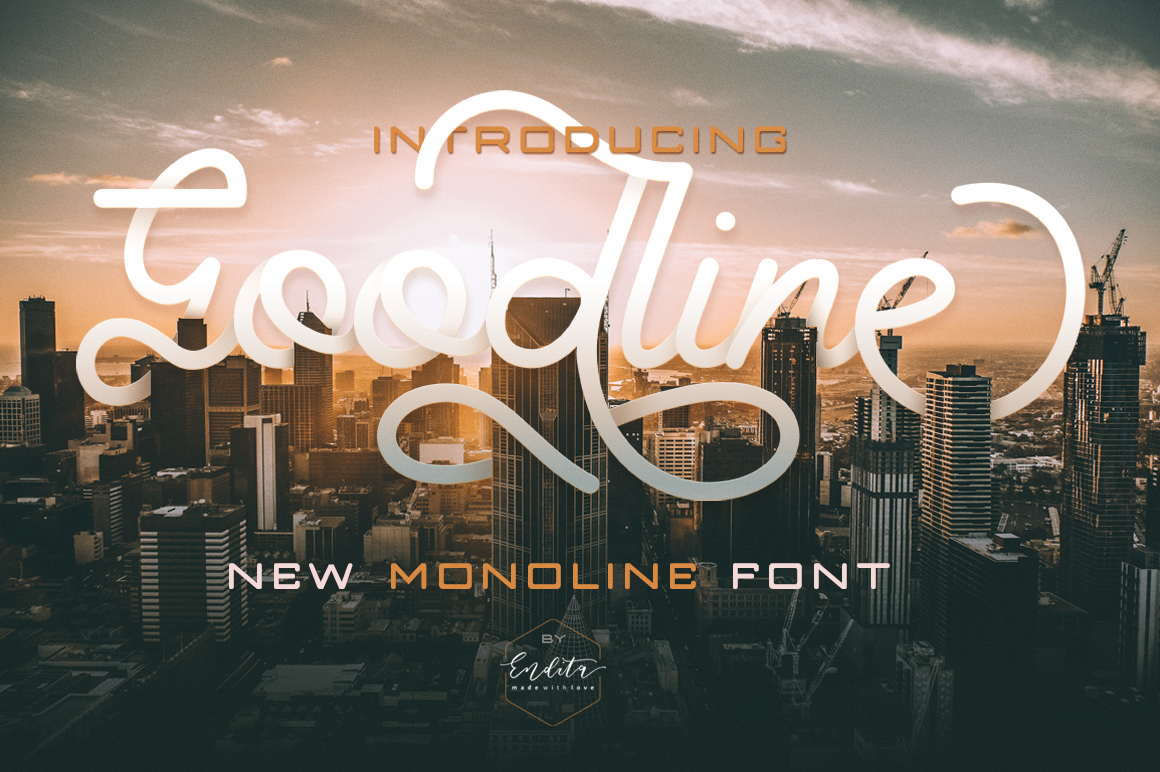
Goodline - Monoline: A Practical Guide to Making the Right Choice
Goodline - Monoline has become a popular choice for individuals and businesses looking for a streamlined, efficient solution to their design or productivity needs. Whether you're a creative professional, a small business owner, or someone exploring new tools, understanding what Goodline - Monoline offers—and what to watch out for—can make all the difference in your experience.
This article will help you navigate common pitfalls, provide actionable advice, and highlight how to get the most from Goodline - Monoline without unnecessary hassle or confusion.
What Is Goodline - Monoline and Why Does It Matter?
Goodline - Monoline is a digital platform designed to simplify complex tasks through its intuitive interface and focused functionality. Unlike more feature-heavy software, it prioritizes clarity and ease of use, making it ideal for users who want to avoid overwhelm while still achieving high-quality results.
Its appeal lies in its ability to handle specific tasks efficiently, such as document formatting, layout design, or project management. For professionals who value time and precision, Goodline - Monoline can be a game-changer—but only if used correctly.
Common Mistakes When Using Goodline - Monoline
Despite its strengths, many users make mistakes that hinder their success with Goodline - Monoline. Here are some of the most frequent errors and why they matter:
- Overlooking system requirements: Some users assume that any modern device will work seamlessly with Goodline - Monoline. However, performance issues can arise if your hardware or operating system doesn’t meet the minimum specifications. This can lead to crashes, slow loading times, or compatibility problems.
- Ignoring customization options: While Goodline - Monoline is designed to be user-friendly, it also offers a range of settings and preferences. Failing to adjust these to match your workflow can result in inefficiencies. For example, not setting up default templates may force you to repeat manual steps daily.
- Comparing it to all-in-one tools: Many people expect Goodline - Monoline to do everything like larger platforms. This leads to frustration when it lacks certain features. It’s important to understand that its strength lies in simplicity, not versatility.
- Skipping the learning curve: Some users jump into using Goodline - Monoline without taking the time to learn its core functions. This can lead to suboptimal use and missed opportunities for productivity gains.
How These Mistakes Affect Your Experience
Mistakes in using Goodline - Monoline can have real consequences. For instance, ignoring system requirements might cause delays in project timelines, especially if you’re working on tight deadlines. Not customizing settings could mean spending extra time on repetitive tasks, reducing overall efficiency.
Additionally, comparing it to more complex tools may lead to dissatisfaction. If you expect advanced features that aren’t available, you might end up switching to another platform unnecessarily. This not only wastes time but also disrupts your workflow.
Practical Advice to Avoid Common Pitfalls
To ensure a smooth experience with Goodline - Monoline, consider the following tips:
- Check system compatibility before downloading: Visit the official website and review the technical requirements. Ensure your device meets the necessary specs to avoid performance issues.
- Take time to explore settings and preferences: Spend a few minutes adjusting the interface to suit your needs. Customizing defaults can save you hours of manual work over time.
- Understand its limitations: Recognize that Goodline - Monoline is built for simplicity. If your project requires more advanced tools, look for complementary solutions rather than expecting it to do everything.
- Invest in learning resources: Watch tutorials, read guides, or join online communities. The more you understand about Goodline - Monoline, the more effectively you can use it.
Realistic Examples of Better Approaches
Let’s look at a couple of real-world scenarios where better choices lead to improved outcomes:
Imagine you’re a graphic designer working on a client project. You download Goodline - Monoline without checking your computer’s specs. As a result, the software runs slowly, causing delays. By verifying system requirements first, you avoid this issue and maintain a steady workflow.
Another example: a small business owner uses Goodline - Monoline for invoice creation but fails to set up default templates. Every time they generate a new invoice, they manually input the same details. By customizing templates, they save time and reduce the risk of errors.
What to Check Before Making a Decision
Before committing to Goodline - Monoline, take a moment to evaluate whether it aligns with your needs. Ask yourself:
- Do I need a tool that focuses on specific tasks, or do I require broader functionality?
- Am I comfortable with a streamlined interface, or do I prefer more advanced controls?
- Will my device support the software without performance issues?
- Is there a learning curve I’m willing to invest in?
These questions can help you decide if Goodline - Monoline is the right fit for your goals.
Conclusion: Make Informed Choices With Goodline - Monoline
Goodline - Monoline can be a powerful tool when used correctly. By avoiding common mistakes and making informed decisions, you can unlock its full potential. Remember, the key to success lies in understanding the software’s strengths and limitations, and adapting your approach accordingly.
With the right mindset and practical strategies, you’ll be able to maximize your experience with Goodline - Monoline and achieve better results in your work or projects.